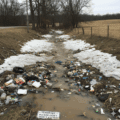

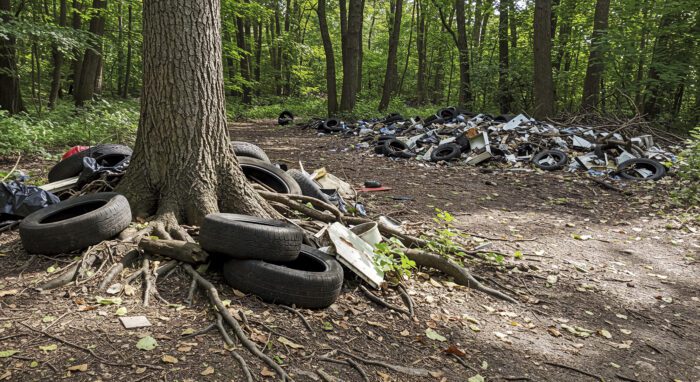
Abandoned appliances on back roads. Tires tossed into ditches. Construction debris piled on vacant lots. Illegal dumping is far more than a minor eyesore. The unauthorized disposal of large items like appliances, construction debris, and tires across Tennessee is a major issue for our state. It represents a significant environmental, public health, and economic challenge that affects communities statewide.
The Scope of the Problem in Tennessee
The 2022 Tennessee Statewide Litter Study, funded by the Tennessee Department of Transportation (TDOT), revealed progress in litter reduction: between 2016 and 2022, roadside litter dropped by 12 percent. Still, that means there are roughly 88 million pieces of litter on Tennessee highways at any given time. Among this waste, illegal dumping remains one of the most difficult and costly problems to address.
Why Illegal Dumping Happens
- Choosing convenience over responsibility: Many illegal dumpers simply opt for the fastest or cheapest way to get rid of waste instead of taking the time to dispose of it properly. But in reality, Tennessee offers many accessible disposal and recycling facilities statewide, often closer and easier than people think.
- Lack of effort to find proper options: With a quick search on the TDEC Household Hazardous Waste Program page or a call to your local solid waste department, residents can locate approved drop-off sites for everything from construction debris to old appliances and tires. Taking this step prevents pollution and protects communities.
- Underestimating the impact: Some people assume dumping waste “out of sight” doesn’t hurt anyone. In truth, it damages soil, contaminates waterways, attracts pests, and creates long-term problems that affect everyone.
The Real Costs
- Environmental hazards: Improperly disposed waste contaminates soil and water, particularly when it flows into storm drains or rivers. Materials such as plastics, chemicals, and construction debris release harmful toxins into ecosystems and the food chain.
- Health risks: Tires left in wooded areas or vacant lots create areas for standing water. These areas become breeding grounds for mosquitoes, which increase the risks for diseases such as West Nile virus. Other dumped materials can contribute to respiratory problems and other health concerns.
- Economic Impact: In 2024 alone, litter cleanup and education cost Tennessee more than $35 million.
- Property and tourism losses: Illegal dumping sites bring down property values, discourage investment, and hurt tourism by tarnishing Tennessee’s image as a destination for natural beauty.
Laws and Penalties
Tennessee law clearly states that dumping solid waste without a permit is prohibited, except when a property owner disposes of waste on their own land. Penalties vary according to the severity of the violation.
- Less than 5 pounds: Fine up to $50, plus community service.
- 5–10 pounds: Class B misdemeanor—up to $500 fine, 80 hours of service, and possible jail time.
- Repeat or large-scale dumping: Escalates to a Class E felony, punishable by one to six years in prison and fines of up to $3,000.
What’s Being Done
Statewide efforts are making a difference:
- Litter abatement & public outreach: Campaigns like Nobody Trashes Tennessee and Keep Tennessee Beautiful drive awareness and mobilize volunteers to clean up illegal dump sites.
- Monitoring and strategy: TDOT uses data from the 2022 litter study to target Nobody Trashes Tennessee’s cleanup and prevention efforts more effectively.
- Waste tire management: A $1.35 disposal fee per tire on new sales funds county recycling and cleanup programs, addressing a common form of illegal dumping. The state uses its share of the fees to fund broader waste tire management programs and grants for projects that reuse or recycle waste tires.
What More Can Be Done
Illegal dumping is not just a government problem; it’s a community one. While TDOT, Nobody Trashes Tennessee, and its affiliates are making progress, individual responsibility is crucial to solve this issue. Illegal dumping threatens Tennessee’s environment, health, and economy, but it doesn’t have to continue. Every resident has a role to play:
- Dispose responsibly. Use approved disposal and recycling facilities for appliances, tires, and construction debris. Resources are available in most counties.
- Speak up. Report illegal dump sites to local authorities so they can be addressed quickly.
- Be the example: Show your community that taking the extra step matters and encourage others to do the same.
Illegal dumping only continues when people look the other way. By making the responsible choice, you help protect Tennessee’s communities, landscapes, and future.
Sources:
https://www.tn.gov/environment/program-areas/solid-waste/solid-waste-management/illegal-dumping.html