
A passing storm might wash away the dust and heat, but it often leaves behind something far more damaging: litter in the waterways of Tennessee.
In Tennessee, where streams, rivers, and lakes wind through nearly every town and county, the connection between land and water is strong, and so is the impact of storm runoff. When rain falls hard and fast, it doesn’t just soak the ground. It picks up everything in its path: cigarette butts, fast food wrappers, plastic bottles. This trash gets sent rushing toward the nearest waterway.
How Storms Carry Litter into Waterways in Tennessee
Stormwater Runoff
Stormwater runoff is one of Tennessee’s most significant contributors to waterway litter. It picks up loose debris when rain hits streets, parking lots, driveways, and construction sites. Everything from plastic forks to grocery bags is carried downhill into Tennessee waterways.
From Street to Stream
Contrary to popular belief, storm drains don’t lead to treatment plants. They empty directly into nearby creeks and rivers. That means anything tossed or washed into a gutter – accidentally or otherwise – can end up in the same water we use for fishing, boating, or even drinking.
What Litter Looks Like After a Storm in Tennessee
Storm-driven litter doesn’t just vanish. It gathers, it clings, and it floats. And it’s everywhere.
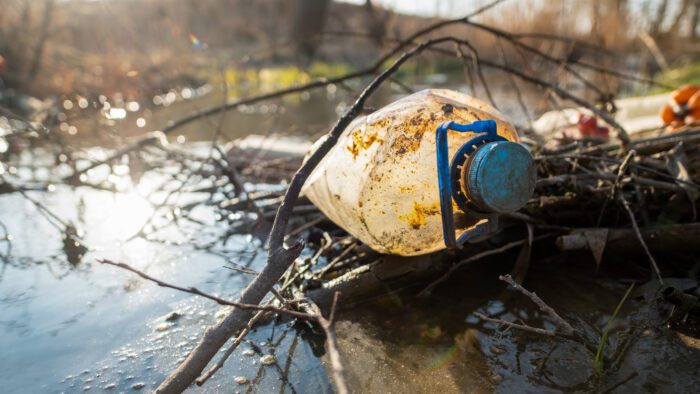
- Along Stream Banks: After a storm, stream banks often look like forgotten landfills. You’ll see plastic bags knotted in tree roots, half-buried soda bottles, snack wrappers wedged into branches, and broken foam containers tangled in underbrush.
- On River Surfaces: Floating trash is a common sight on Tennessee rivers after heavy rainfall. You might spot clusters of water bottles, foam cups, oil sheens, or stray tennis balls drifting with the current. These materials are lightweight, which makes them perfect for being swept away, but terrible for the ecosystem.
- In Lakes and Reservoirs: Still waters don’t run clean when debris has nowhere else to go. Litter tends to collect in coves, corners, and near dams. Styrofoam chunks, discarded bait containers, tangled fishing line, or fast-food packaging get stuck near docks and boat ramps.
The Ripple Effect of Litter in Waterways in Tennessee
In addition to looking bad, litter creates lasting effects that impact our environment, economy, and everyday lives.
- Wildlife at Risk: Our rivers and lakes host many fish, turtles, birds, and mammals. When litter finds its way into waterways in Tennessee, it can entangle, choke, or poison wildlife. Animals confuse plastic with food or become trapped in fishing lines and discarded trash.
- Drinking Water in Danger: Many communities across Tennessee rely on surface water for drinking. Pollution increases the cost and complexity of water treatment. And some contaminants can’t be entirely removed once they enter our water sources.
- Recreation and Tourism Losses: From kayaking on the Harpeth to boating on Norris Lake, Tennessee’s natural beauty is a draw for locals and tourists alike. But floating litter and debris-strewn shorelines hurt the experience, and can even lead to health advisories.
- Economic Impact: Storm-driven litter doesn’t clean itself up. Municipalities, nonprofits, and volunteers often step in, spending valuable time and taxpayer dollars to clear out the mess, again and again.
What You Can Do to Help
What starts as a single piece of trash on a roadside can quickly become part of a floating patch of pollution in your local creek, river, or reservoir. So, what can you do to stop it?
1. Secure Your Trash
Before storms roll in, make sure your trash bins are closed tightly, bags aren’t loose, and your recycling isn’t left uncovered. Wind and water can carry away even the smallest items.
2. Cover Your Load
Transporting items in a truck bed? Use a tarp or net to prevent things from flying out while driving. It’s not just safer – it’s the law in many Tennessee counties.
3. Watch the Drains
Never sweep yard waste, leaves, or litter into the gutter. It doesn’t disappear. It goes directly to stormwater drains and then to the nearest stream. Keep storm drains clear to protect water quality.
4. Volunteer
Cleanup events happen all year round!. Visit our events page to find upcoming cleanups and discover how you can help protect our streams, rivers, and lakes.
5. Report Illegal Dumping
If you see someone dumping trash illegally, speak up. Reporting illegal dumping helps protect everyone’s water.
Protecting Tennessee’s Waterways Starts with Us
When the skies clear and the streets dry, take a closer look at what you find left behind. That trash in the creek didn’t start there, and it doesn’t have to stay there. By making small changes before the rain, we can keep Tennessee’s waterways clean, healthy, and beautiful for everyone who calls this state home.
Sources:
https://www.tn.gov/environment/program-areas/wr-water-resources/water-quality/stormwater.html
https://www.epa.gov/nps/nonpoint-source-urban-areas#info%20+%20resources