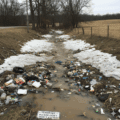


It’s that time of year again: twinkling lights, festive gifts, overflowing meals, and families gathering together. However, behind the sparkle lies a significant, messy secret: our celebrations generate a massive increase in waste. This extra trash puts additional stress on landfills and often ends up on our roadways and in our waterways. This year, use these eco-friendly holiday tips that help us reduce waste, protect Tennessee’s beauty, and still enjoy the season.
Below are 10 truths we all need to hear about holiday waste and how we can flip the script:
1. Americans Create 25% More Waste Between Thanksgiving and New Year’s
According to the Environmental Protection Agency (EPA), household garbage in the U.S. can jump by about 25% during the holidays. That means waste goes from roughly four million tons to five million tons. Excess waste from landfills spills into roadside ditches, waterways, and parks throughout the state, affecting everyone – it’s not just “someone else’s mess.” With a bit of planning and smart swaps, much of that extra waste could be recycled, reused, or avoided. We know you’re busy, but our state (and the planet) could use a little bit of your time.
2. Gift Wrap and Bags Generate Over 4 Million Tons of Waste
Everyone wants nice shiny packages tied up with string, but did you know Americans use 4.6 million pounds of wrapping paper annually, mainly during the holiday season? And that shiny, metallic, or glitter‐coated wrapping paper can’t be recycled because of the added plastics or foil.
This year, try using kraft or recyclable wrapping paper, reusable gift bags, or even newspapers. Or if you’re feeling extra fancy, try fabric wraps (furoshiki style) to add charm and help the planet. And this year, keep bags, ribbon, holiday cards and even fabric to add to your arsenal next year.
3. 6.5 Billion Holiday Cards Are Sold Each Year
About 6.5 billion holiday cards are sold annually in the U.S. That means 6.5 billion sheets of paper, and many of those are laminated, glittered, or coated in foil, making them non-recyclable and more likely to end up in landfills or littering our communities. When these cards blow out of trash receptacles, they can easily end up in Tennessee’s waterways, harming wildlife and polluting our environment. To keep the season bright and waste-free, choose cards made from recyclable paper (skip the foil and glitter) or opt for digital e-cards or photo messages instead.
4. Up to 40% of Holiday Meals Are Thrown Away
Food waste remains a significant issue year-round, but it spikes during the holidays. According to the Natural Resources Defense Council (NRDC), Americans waste between 30% and 40% of the food supply each year. You can take a few simple steps to combat this waste. The NRDC’s Save The Foods ‘guest-imator’ is a handy tool that helps you create a menu based on the number of people attending your holiday feast. And once the holiday is over, use leftovers creatively. Make soups or casseroles and share with friends/neighbors. And when all else fails, you can compost a significant amount of food waste, converting the excess into rich soil for your yard.
5. Packaging Makes Up About 30% of Holiday Waste
According to the EPA, containers and packaging account for roughly 30% of all household waste in the U.S. With online shopping surging, that’s shipping boxes, bubble wrap, new-toy packaging, and fancy gift boxes. To keep this trash from taking over, flatten cardboard boxes for recycling or save packaging for reuse. When shopping, consider visiting local businesses, bring your own bag, and opt for items with minimal packaging. Fewer big-box shipments mean less packaging waste passing through our state landfills and fewer items to litter our roadsides.
6. Millions of Strings of Lights End Up in Landfills
When your strands stop twinkling, don’t toss them in the trash or your recycling bin. Most light strings can’t be recycled curbside, but many Tennessee counties host electronics recycling events or holiday light drop-off days. Check your local program before you pitch them.
When it’s time to replace your lights, choose energy-efficient LED strands that use less power and last longer. For outdoor displays, consider permanent holiday lighting that is a one-time install that shines bright for years without the yearly waste. Additionally, you’ll avoid the annual climb up the ladder and the associated installation costs. Your wallet (and your insurance) will thank you.
7. Americans Toss 38,000 Miles of Ribbon Each Year
Americans discard about 38,000 miles of ribbon each year. That’s enough to wrap around the Earth and still have a bow left over! Our storm-season winds often carry loose ribbons into ditches and streams. To reduce the amount of trash that ends up in our waterways, use twine, fabric strips, or natural décor items (such as pinecones or herbs) instead of plastic ribbons. And this year, keep a small “ribbon box” and save high-quality ribbon to reuse the following season.
8. Christmas Trees Create a Post-Holiday Pileup
Real trees are biodegradable, but if they’re wrapped in plastic or not disposed of properly, they still generate a significant amount of landfill waste. Artificial trees are often made of PVC and may take decades or more to break down (if ever). Many get tossed after only a few years.
This year, if you get a real tree, make sure you look into curbside pickup or tree-cycling in your county when you’re ready to take it down. You can also cut up the tree and compost it. Be sure not to burn it! And if you do go the artificial route, be sure you invest in one that you can reuse for many years. The longer you keep it, the smaller its “per-year” footprint.
9. Holiday Parties = Disposable Disasters
The holidays are busy – full of gatherings, to-do lists, and a whole lot of dishes. It’s tempting to make things easier with single-use items, but all those disposable cups, plates, utensils, and decorations quickly accumulate as single-use waste.
While it may seem like a lot of work, using reusable dishware for parties or renting what you don’t own can make a significant impact on the amount of trash generated. Good news: your great-aunt’s punch bowl is back in style. And if you must use disposables, choose certified compostable options to keep waste out of Tennessee Landfills. And after the party, make sure to separate recyclables, compost food scraps, and properly bag the remaining trash to minimize the risk of littering on our roads.
10. Up to 80% of What Ends Up as Litter Could’ve Been Recycled or avoided
No matter how you measure it, people could have reused, recycled, or completely avoided much of what ends up as litter or waste. Packaging alone accounts for nearly 30% of household waste, and food waste makes up another 30–40%. Add in ribbons, cards, and burned-out lights, and it’s easy to see how small choices stack up to a big problem.
But the good news? You have the power to change it.
Before you buy something new, ask yourself: “Will this end up as trash tomorrow?” Or “Do I already have something that would work just as nicely?” Planning is half the battle.
When you do choose to purchase new items, pick ones with less packaging, skip the extras you don’t need, and reuse what you already have. Every piece of holiday waste we reduce, whether it’s packaging, food, or decorations, helps keep our roadways and waterways clean. These eco-friendly holiday habits don’t just make you feel good; they make a visible impact on our environment and community.
Sources:
https://archive.epa.gov/students/web/html/holiday.html
https://www.ecocenter.org/spread-cheer-not-waste-bringing-back-true-holiday-spirit
https://www.uschamber.com/co/good-company/launch-pad/greeting-card-next-gen-relevance
https://www.sandiegocounty.gov/content/sdc/dpw/recycling/Holiday-Food-Waste-V3.html
https://nypost.com/2019/11/12/a-present-for-the-planet-how-to-cut-holiday-waste